What Managing 30 Students on a Bangalore Industry Tour Taught Me About Leadership
Leadership gets discussed a lot in professional circles. Most conversations focus on boardrooms, executive decisions, and team KPIs.
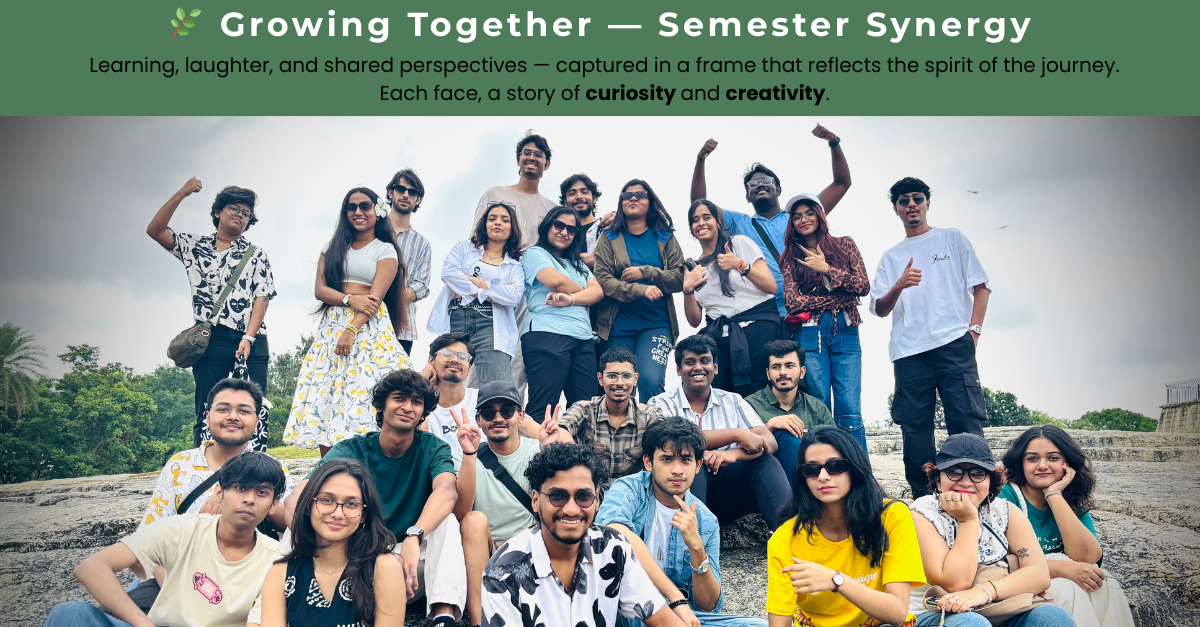
My most significant leadership lesson came somewhere entirely different — on a bus heading to Bangalore with 30+ undergraduate students and a schedule that depended entirely on my preparation holding together across multiple days.
The Setup
The Bangalore industry immersion was a multi-day programme giving Amity University students direct exposure to professional production environments — animation studios, media houses, and industry interaction sessions.
I was responsible for end-to-end coordination: pre-trip logistics, stakeholder communication, on-ground management, and post-visit documentation. With 30+ students, multiple venues, external industry contacts, institutional approvals, and travel logistics all running simultaneously, the margin for error was very small.
Lesson 1: Preparation Is Leadership
The most visible leadership moment was not any decision I made during the trip. It was the three weeks of preparation before we left.
Every studio visit had a confirmed contact. Every student had a briefing document on professional conduct. Every day had a primary plan and a contingency. When things deviated from plan — and they always do — the team experienced it as a minor adjustment rather than a crisis. That is what preparation does. It converts potential emergencies into manageable situations.
Lesson 2: Your Calm Is Contagious
Students watch how you respond to problems more than they listen to what you say.
On day two, a studio visit ran 40 minutes over schedule. I quietly rearranged the afternoon, communicated the change matter-of-factly, and kept the energy positive. The students barely noticed. A few later commented that everything felt "perfectly organised."
It was not perfectly organised. It was calmly managed. The distinction matters enormously in leadership.
Lesson 3: The Goal Is Their Experience, Not Your Execution
The easiest trap in coordination roles is becoming so focused on logistics that you lose sight of the actual goal — giving students a transformative learning experience.
Midway through the trip I shifted my mindset from "is everything on schedule" to "what are these students actually taking away." That shift changed how I facilitated the reflection sessions and conversations with industry professionals.
The logistics were a vehicle. The experience was the destination.
Why This Matters Beyond Academia
The skills applied on that Bangalore trip — stakeholder management, contingency planning, calm under pressure, keeping the end goal in focus — are the same skills that define effective operations professionals in any sector.
Leadership is not a job title. It is a set of behaviours that show up whenever someone takes responsibility for an outcome that involves other people.
Mahendra Kumar Gubbala is a Technology and Operations Professional based in Mumbai, serving as Faculty at Amity University Mumbai and Visiting Subject Expert at TISS.